
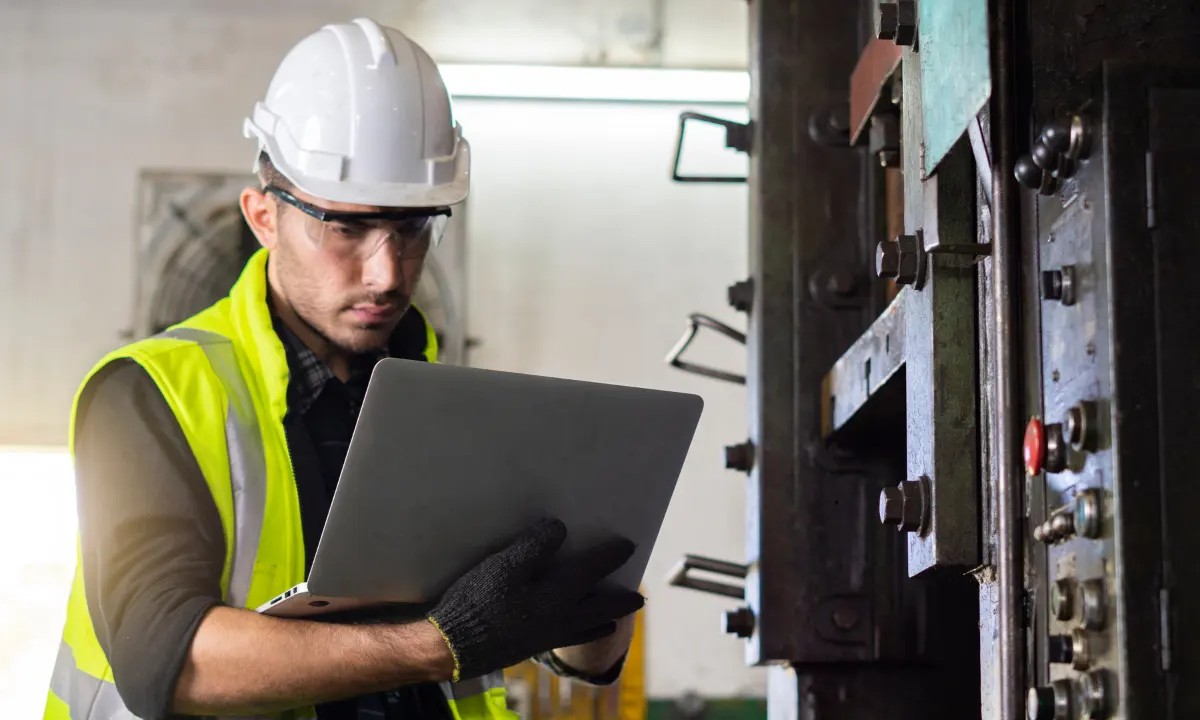
Industrial scales play a critical role in warehouses, manufacturing plants, food processing facilities, logistics centers, recycling operations, and many other industries. While most businesses focus on weighing accuracy and productivity, safety is equally important. A single mistake, such as overloading a scale, ignoring damaged components, or failing to follow proper loading procedures, can lead to equipment damage, inaccurate measurements, workplace injuries, and costly downtime. Understanding industrial scale safety helps operators protect themselves, their colleagues, and the equipment they rely on every day. By following proven safety practices and maintaining weighing equipment correctly, businesses can create a safer work environment while extending the life of their scales.
Why Industrial Scale Safety Should Be a Priority
Industrial scale safety is about more than preventing accidents. Safe weighing practices help maintain accurate measurements, reduce repair costs, improve operational efficiency, and support compliance with workplace safety standards. In busy industrial environments, scales are often exposed to heavy loads, vehicle traffic, moisture, vibration, and constant use. Without proper safety procedures, these conditions can increase the risk of incidents that affect both employees and business operations.
The Connection Between Workplace Safety and Weighing Operations
Every weighing operation involves people, equipment, and materials working together. If one part of the process is unsafe, the risk of injury or equipment failure increases. Proper scale usage helps prevent accidents while ensuring that weighing data remains accurate and reliable.
Common Risks Associated With Industrial Scales
Industrial scales can present several workplace hazards, including overloading, slipping hazards, falling objects, forklift collisions, electrical faults, and damaged load cells. Identifying these risks early allows businesses to implement preventative measures before problems occur.
How Safety Incidents Impact Productivity and Business Costs
Accidents involving weighing equipment often result in downtime, repair expenses, damaged products, and lost productivity. Even a small incident can interrupt operations and affect delivery schedules, customer satisfaction, and profitability.
The Role of Safety in Regulatory Compliance
Many industries operate under strict quality control and workplace safety requirements. Following proper safety procedures helps organizations maintain compliance while reducing the risk of penalties and operational disruptions.
Understanding the Main Components Operators Should Know
Operators who understand how industrial scales function are better equipped to identify safety concerns and use equipment correctly. Knowing the purpose of each component helps reduce misuse and supports early detection of potential issues.
Load Cells and Why They Matter
Load cells are the primary weighing sensors within an industrial scale. They convert force into measurable electrical signals. Since load cells directly influence weighing accuracy, protecting them from shock loading, moisture, and overloading is essential for safe operation.
Weighing Platforms and Floor Scale Structures
The platform supports the weight being measured. Operators should inspect platforms regularly for cracks, bending, corrosion, or debris accumulation that could affect stability and safety.
Scale Indicators and Digital Displays
Indicators provide weight readings and system information. Operators should verify that displays are functioning correctly before use and immediately report any unusual readings or error messages.
Junction Boxes, Cables, and Electrical Components
Electrical connections play an important role in scale performance. Damaged cables, loose connections, and exposed wiring can create safety risks while affecting weighing accuracy.
Emergency Stops and Safety Features in Modern Weighing Systems
Many industrial weighing systems include safety features that help prevent accidents. Operators should understand how these features work and know how to respond during an emergency.
The Most Common Industrial Scale Hazards in the Workplace
Understanding common hazards helps operators recognize risks before they lead to accidents or equipment damage.

Overloading Beyond Maximum Capacity
Every industrial scale has a maximum weight limit. Exceeding this limit can damage load cells, weaken structural components, and create unsafe conditions for operators.
Shock Loading From Dropped Materials
Shock loading occurs when heavy objects are dropped onto a scale rather than placed carefully. This sudden force can exceed the scale’s intended operating limits and damage internal components.
Slip, Trip, and Fall Hazards Around Scales
Dust, debris, packaging materials, and liquid spills around weighing stations can create dangerous walking conditions. Good housekeeping helps reduce these risks.
Forklift and Vehicle Traffic Risks
In warehouses and distribution centers, forklifts frequently operate near weighing equipment. Poor visibility, distracted driving, or improper traffic management can result in collisions and injuries.
Electrical Hazards and Damaged Cables
Frayed wires, exposed connections, and damaged electrical components increase the risk of equipment failure and potential injury.
Environmental Hazards Including Water, Dust, and Corrosion
Exposure to moisture, chemicals, and airborne contaminants can damage scale components and reduce reliability over time.
Pinch Points and Moving Equipment Risks
Operators should remain aware of moving equipment and areas where body parts could become trapped during loading or unloading activities.
| Hazard | Potential Risk | Prevention Method |
| Overloading | Equipment damage | Follow capacity limits |
| Shock Loading | Load cell failure | Lower loads carefully |
| Forklift Traffic | Collision injuries | Use traffic controls |
| Electrical Damage | Equipment failure | Inspect cables regularly |
| Wet Surfaces | Slips and falls | Maintain clean work areas |
| Corrosion | Structural weakness | Routine inspections |
Pre-Operation Safety Checks Every Operator Should Perform
A few minutes spent inspecting equipment before use can prevent costly accidents and downtime later in the day.
- Inspect the Scale for Visible Damage: Operators should check for cracks, bent components, corrosion, loose hardware, or any signs of physical damage that could affect safe operation.
- Verify Weight Capacity Labels: Capacity labels should remain visible and easy to read. Operators must know the scale’s limitations before loading any material.
- Check Platform Stability and Levelling: A scale should sit evenly and securely. Unstable platforms can affect both accuracy and safety.
- Ensure the Area Is Clear of Obstacles: The weighing area should remain free of debris, tools, pallets, and packaging materials that may interfere with safe movement.
- Inspect Cables and Electrical Connections: Loose or damaged cables should be reported immediately. Electrical issues can affect both safety and measurement performance.
- Confirm Accurate Zero Balance Before Use: Verifying that the scale returns to zero before weighing helps ensure reliable measurements throughout the shift.
Safe Loading Practices That Prevent Injuries and Equipment Damage
Loading practices have a direct impact on both safety and scale longevity.
- Follow Maximum Weight Capacity Limits: Operators should never exceed the manufacturer’s rated capacity. Consistent overloading increases wear and raises the likelihood of component failure.
- Distribute Loads Evenly Across the Platform: Uneven loading places unnecessary stress on load cells and structural components. Centring loads improves stability and weighing accuracy.
- Avoid Sudden Impact and Shock Loading: Materials should be lowered gently onto the platform. Sudden impacts can cause hidden damage that may not be immediately visible.
- Use Proper Material Handling Techniques: Using lifting equipment correctly helps reduce strain on employees while protecting weighing equipment from accidental damage.
- Prevent Side Loading and Uneven Force Distribution: Forces applied from the side can create measurement errors and increase structural stress.
- Safely Weigh Large or Irregular Loads: Large items should be positioned carefully to prevent tipping, shifting, or contact with surrounding structures.
Forklift and Vehicle Safety Around Industrial Scales
Many industrial-scale incidents occur because of vehicle traffic rather than the scale itself.
- Safe Approaches to Floor Scales and Weighbridges: Drivers should approach scales at controlled speeds and follow designated traffic routes to minimize collision risks.
- Preventing Collision Damage: Protective barriers, bollards, and clear markings help safeguard weighing equipment from accidental impacts.
- Managing Traffic Flow Around Weighing Stations: Separate traffic lanes and designated waiting areas reduce congestion and improve visibility around scales.
- Driver Visibility and Communication Protocols: Clear communication between operators and drivers helps prevent misunderstandings during weighing activities.
- Best Practices for High-Traffic Warehouse Environments: Facilities with heavy vehicle activity should review traffic management procedures regularly to maintain a safe workplace.
Personal Protective Equipment (PPE) for Scale Operators
PPE provides an additional layer of protection for employees working around weighing equipment.
- Essential PPE for Industrial Weighing Areas: Safety equipment should match the hazards present within the facility and comply with workplace safety requirements.
- Safety Footwear and Slip Prevention: Slip-resistant footwear helps reduce fall risks around scales, particularly in wet or dusty environments.
- Gloves and Hand Protection: Proper gloves help protect workers from sharp edges, moving equipment, and handling injuries.
- High-Visibility Clothing in Busy Facilities: High-visibility clothing improves awareness around forklifts and moving vehicles.
- Industry-Specific PPE Requirements: Food processing, chemical manufacturing, and recycling facilities may require additional protective equipment based on operating conditions.
How Proper Calibration Supports Workplace Safety
Many people associate calibration with accuracy, but it also plays a key role in workplace safety.
The Safety Risks of Inaccurate Weight Readings
Incorrect weight measurements can lead to overloaded vehicles, unstable loads, and poor decision-making during operations.
Understanding Measurement Drift
Measurement drift occurs gradually as readings move away from true values. Left uncorrected, this can create operational and safety concerns.
When Industrial Scales Should Be Calibrated
Calibration schedules depend on usage frequency, industry requirements, and environmental conditions. Regular calibration helps maintain reliable performance.
Verification vs Calibration: Key Differences
Verification confirms that a scale meets specified requirements, while calibration adjusts the scale to ensure accurate measurements.
Why Professional Calibration Improves Safety and Compliance
Professional calibration services help businesses maintain accuracy, support compliance requirements, and identify developing issues before they affect operations.
Environmental Conditions That Can Create Safety Risks
The surrounding environment can significantly influence scale performance and workplace safety.
- Wet and Slippery Working Areas: Water accumulation around scales increases slip hazards and can damage electrical components.
- Dust Accumulation Around Weighing Equipment: Dust can interfere with moving parts and contribute to inaccurate readings if not removed regularly.
- Corrosion and Structural Weakness: Corrosion gradually weakens components and may compromise structural integrity if left untreated.
- Temperature Extremes and Equipment Performance: Very high or low temperatures can affect electronics, weighing accuracy, and component lifespan.
- Environmental Vibration From Nearby Machinery: Continuous vibration can create unstable readings and accelerate wear on sensitive weighing components.
Operator Mistakes That Lead to Scale Accidents
Many workplace incidents are caused by avoidable mistakes rather than equipment defects.
Ignoring Warning Signs and Error Messages
Error messages often indicate developing problems. Ignoring them can increase the risk of failure.
Bypassing Safety Procedures
Skipping inspections or operating shortcuts can expose employees and equipment to unnecessary risks.
Using Damaged Equipment
A damaged scale should never remain in service until it has been inspected and repaired.
Poor Housekeeping Around Scales
Cluttered weighing areas increase the likelihood of trips, falls, and loading errors.
Inadequate Communication During Weighing Operations
Clear communication between operators, supervisors, and vehicle drivers helps prevent misunderstandings and accidents.
Why Operator Training Is Essential for Industrial Scale Safety
Well-trained operators play a major role in creating safer workplaces. Training should cover equipment operation, loading procedures, inspections, hazard recognition, and emergency response. Documented procedures provide consistent guidance for employees and reduce operational errors. Regular training updates help reinforce safe practices and identify opportunities for improvement. Organizations that prioritize safety often experience fewer incidents, improved efficiency, and better equipment reliability.
Safety Considerations for Different Types of Industrial Scales
Different scale types present different safety concerns.
- Floor Scales: Operators should monitor vehicle traffic, overloading risks, and debris accumulation around floor scales.
- Industrial Platform Scales: Proper load positioning and routine cleaning are important for safe operation.
- Industrial Pallet Scales: Movement and transportation increase the risk of physical damage and operator injury.
- Industrial Crane Scales: Suspended loads require extra attention because falling materials can create serious hazards.
- Bench Scales: Bench scales should remain stable and protected from contamination.
Scales4U provides products across retail, industrial, medical, laboratory, and agricultural categories, alongside services including calibration, repair, maintenance, verification, and scale hire.
Truck Scales and Weighbridges
Traffic control and driver awareness are essential for safe weighbridge operations.
| Scale Type | Primary Safety Risk | Key Prevention Measure |
| Floor Scale | Vehicle impact | Traffic management |
| Platform Scale | Uneven loading | Proper load placement |
| Pallet Scale | Physical damage | Careful movement |
| Crane Scale | Falling loads | Safe lifting procedures |
| Bench Scale | Contamination | Clean work areas |
| Weighbridge | Traffic incidents | Driver controls |
Maintenance Practices That Improve Safety and Reliability
Maintenance is one of the most effective ways to reduce risks and improve equipment performance.
- Routine Visual Inspections: Regular inspections help identify wear, corrosion, damage, and contamination before they become serious problems.
- Preventive Maintenance Programs: Scheduled maintenance reduces unexpected breakdowns and supports long-term reliability.
- Identifying Wear Before Failure Occurs: Early detection allows repairs to be completed before equipment becomes unsafe.
- Documentation and Maintenance Records: Maintenance records help track equipment condition and support compliance requirements.
Professional inspections, calibration, verification, and repairs provide expert evaluation and help maintain safe operating conditions.
Industrial Scale Safety Checklist for Daily Operations
A simple checklist helps maintain consistency across shifts and departments.
Before Use
- Inspect for visible damage
- Check load capacity labels
- Verify zero balance
- Ensure work area cleanliness
During Operation
- Follow safe loading procedures
- Avoid overloading
- Watch for warning indicators
- Maintain awareness of surrounding traffic
After Use
- Clean the weighing area
- Report any issues
- Remove debris
- Secure equipment if required
Weekly Safety Review Checklist
- Inspect cables and connections
- Review maintenance records
- Check protective barriers
- Verify calibration status
Frequently Asked Questions
What are the most common industrial scale safety hazards?
Overloading, shock loading, forklift collisions, damaged electrical components, slips, trips, and poor housekeeping are among the most common hazards.
Why is overloading dangerous for industrial scales?
Overloading can damage load cells, weaken structural components, reduce accuracy, and create unsafe operating conditions.
How often should industrial scales be inspected?
Visual inspections should occur daily, while professional inspections and calibration should follow a scheduled maintenance plan.
Does calibration affect workplace safety?
Yes. Accurate measurements help prevent overloaded vehicles, unstable loads, and operational errors that can create safety risks.
What PPE should scale operators wear?
The required PPE depends on the work environment but often includes safety footwear, gloves, eye protection, and high-visibility clothing.
How can businesses prevent industrial scale accidents?
Consistent training, regular inspections, preventive maintenance, calibration, and clear operating procedures help reduce risks significantly.
Conclusion: Creating a Safer and More Efficient Weighing Environment
Industrial scale safety starts with awareness, proper training, routine inspections, and a commitment to following safe operating procedures. From preventing overloading and shock loading to maintaining calibration and managing vehicle traffic, every safety measure contributes to a more productive workplace. Businesses that invest in operator training, preventive maintenance, calibration, verification, and professional repair services can reduce downtime, improve weighing accuracy, and create a safer environment for employees. By making safety part of everyday weighing operations, organizations can protect both their workforce and their equipment for years to come.