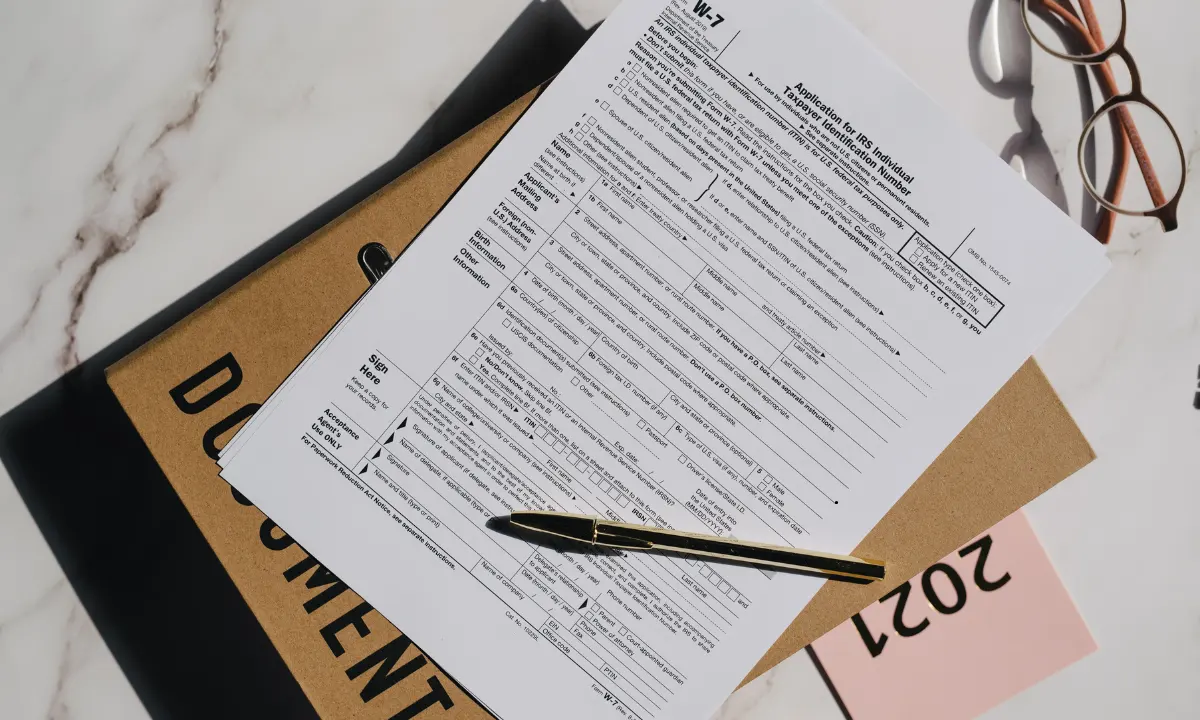
Many businesses in South Africa use weighing equipment every day, from retail counters and warehouses to factories and farms. But a common issue appears during audits or inspections: the equipment is in use, yet the required compliance documents are missing or expired. This often leads to penalties, rejected inspections, or even suspension of trade operations. Weighing equipment used in trade must comply with strict legal rules to ensure every measurement is accurate and fair. Without proper documentation, even a good-quality scale can be treated as non-compliant. This is where understanding the proper paperwork becomes important for any business that sells or weighs goods.
We will tell you the exact documents required, why they matter, and how businesses in South Africa can stay compliant with national measurement laws. It also helps you understand how certification works and what regulators look for during inspections.
What Is Weighing Equipment Compliance in Trade?
Weighing equipment compliance means that any scale or weighing system used for buying, selling, or charging customers based on weight must meet approved accuracy and legal standards. In simple terms, it ensures that what you measure is fair, correct, and legally accepted in trade. In South Africa, this is controlled under the legal framework of the Legal Metrology Act, which defines how measuring instruments must be tested, verified, and maintained for commercial use. If a scale is used in retail shops, logistics hubs, or manufacturing units, it must pass inspection before it can be used for financial transactions. The goal is to protect both the business and the customer from incorrect measurements that could lead to financial loss or disputes.
Why compliance matters in real business operations
Weighing accuracy is directly linked to revenue and trust. Even a small error in measurement can lead to:
- Incorrect billing in retail or wholesale trade
- Disputes with customers or suppliers
- Failed audits during regulatory inspections
- Loss of business credibility
For this reason, compliance is not optional for any business involved in weight-based trade.
Regulatory Framework Behind Scale Certification (Who Controls Compliance in South Africa)
Weighing equipment compliance in South Africa is managed through a structured system involving regulatory bodies, accredited laboratories, and quality assurance standards. Each one plays a specific role in making sure that equipment used in trade remains accurate and legally approved.
National regulatory authority
The main authority responsible for enforcement is the NRCS South Africa. This body ensures that weighing instruments used in trade meet national legal requirements. NRCS inspectors are responsible for:
- Approving weighing instruments for trade use
- Conducting field inspections
- Checking verification certificates
- Enforcing legal compliance in businesses
Without NRCS approval, a scale cannot legally be used for commercial transactions.
Accreditation and laboratory validation
Calibration and testing are handled by accredited laboratories approved by the South African National Accreditation System. These laboratories test whether a weighing instrument is accurate and stable under real operating conditions. They also issue calibration certificates that confirm measurement accuracy. This step is important because it ensures:
- Measurements are traceable to national standards
- Equipment remains reliable over time
- Results can be trusted during audits or inspections
Quality assurance and international standards
Many compliance systems also align with the ISO 9001 Quality Management Systems standard. This ensures that organizations follow proper quality control processes for calibration, maintenance, and documentation.
ISO-based systems help businesses:
- Maintain consistent accuracy across equipment
- Keep proper records for audits
- Improve internal quality control processes
How this framework works together
All three systems work in a connected cycle:
| Component | Role in Compliance |
| NRCS | Legal approval and enforcement |
| SANAS | Accreditation of testing laboratories |
| ISO 9001 | Internal quality control system |
Together, they ensure that every weighing instrument used in trade is accurate, tested, and legally approved.
Core Documents Required for Weighing Equipment Compliance
Once a weighing scale is used for trade in South Africa, the business must keep specific documents that prove the equipment is accurate, tested, and legally approved. These documents are often checked during inspections by authorities, especially in retail, logistics, manufacturing, and agriculture. Missing even one key document can result in non-compliance findings, fines, or removal of equipment from use. Below are the essential records every business should maintain.
Legal Verification Certificate
A verification certificate is one of the most important documents for any weighing equipment used in commercial transactions. It confirms that the scale has passed legal inspection and is approved for trade use. This certificate is issued after an authorized inspection process and confirms that the equipment measures weight correctly within allowed error limits. Without it, the scale cannot legally be used for buying or selling goods.
Why it matters:
- Confirms legal approval for commercial use
- Required during audits and inspections
- Protects businesses from legal penalties
- Ensures fair pricing in transactions
In South Africa, this verification is directly linked to regulatory checks under national trade measurement laws. Scales4U states that its legal verification service certifies trade-approved scales and balances for use in trade, with certificates issued after the verification process.
Calibration Certificate (Accuracy Proof Document)
A calibration certificate shows that the weighing equipment has been tested for accuracy using standard reference weights. It confirms that the readings produced by the scale are correct within defined tolerance levels. This document is usually issued by laboratories accredited by the South African National Accreditation System, ensuring that results are reliable and traceable.
What it includes:
- Measurement accuracy results
- Error margins and tolerance levels
- Date of calibration and expiry
- Equipment identification details
- Environmental testing conditions
Why it is important:
- Ensures measurement accuracy in daily operations
- Required for audit and quality control systems
- Helps maintain trust with customers and suppliers
Traceability Documentation (Measurement Chain Proof)
Traceability documents link your weighing equipment to national or international measurement standards. This ensures that every reading can be verified against a recognized reference system. In simple terms, it proves that your scale is not guessing values, but producing results based on certified measurement standards.
Key benefits:
- Confirms measurement reliability
- Required for regulated industries
- Supports audit compliance
- Strengthens quality assurance systems
Traceability is often a hidden requirement, but it plays a major role during formal inspections.
Installation and Commissioning Report (First Setup Proof)
This document confirms that the weighing equipment was installed correctly by a qualified technician and tested before being put into use. It is especially important for industrial scales, weighbridges, and high-capacity systems where incorrect installation can affect accuracy.
It typically includes:
- Installation date and location
- Technician details
- Initial test results
- Equipment configuration details
Many companies assume installation is just technical setup, but regulators treat it as part of compliance proof. Without it, audits may question the reliability of initial calibration.
Maintenance and Service Records (Ongoing Compliance Evidence)
Weighing equipment must stay accurate over time, which is why maintenance records are essential. These documents show the full service history of the scale, including repairs, adjustments, and preventive maintenance.
These records usually include:
- Service dates and actions performed
- Parts replaced or repaired
- Technician notes
- Performance checks after servicing
Importance in compliance:
- Proves equipment is maintained properly
- Helps identify recurring accuracy issues
- Required during audit inspections
- Supports warranty and lifecycle tracking
Manufacturer Conformity Certificate
This certificate confirms that the weighing equipment meets technical design and safety standards set by the manufacturer. It is usually provided at the time of purchase or import.
Why it matters:
- Confirms product quality and specification compliance
- Required for imported weighing equipment
- Supports initial certification process
Without this document, regulatory approval can become delayed or rejected.
Periodic Inspection Reports (Ongoing Legal Checks)
Weighing equipment is not a one-time certification item. It must be inspected periodically to ensure it still meets accuracy requirements. Inspection reports confirm that the equipment is still suitable for trade use after continuous operation.
What they confirm:
- Ongoing measurement accuracy
- Condition of seals and components
- Compliance status at time of inspection
These reports are critical for businesses operating high-volume weighing systems.
Physical Compliance Requirements on Equipment (On-Site Proof)
Apart from documents, physical indicators on the equipment also play a key role in compliance. Inspectors often rely on visible markings to confirm approval status.
Verification Stickers and Seals
These stickers show that the equipment has passed legal verification and indicate the expiry date of certification. If expired, the equipment is no longer valid for trade use.
Tamper-Evident Seals
These seals prevent unauthorized adjustments to the scale. If broken, the equipment may need re-verification before further use.
Why this matters:
- Provides quick visual proof of compliance
- Prevents tampering or illegal adjustments
- Required for trade-approved equipment
Step-by-Step Compliance Process (How Certification Actually Works)
Understanding the process helps businesses avoid delays and compliance failures. The certification process usually follows a structured flow:
- Purchase approved weighing equipment
- Professional installation by certified technician
- Initial calibration testing
- Legal verification inspection by authorized body
- Issuance of verification and calibration certificates
- Application of compliance stickers and seals
- Regular maintenance and re-verification cycles
Each step builds legal proof that the equipment is safe and accurate for trade.
Industry-Specific Compliance Requirements for Weighing Equipment
Different industries in South Africa use weighing equipment in different ways, which means compliance requirements can also vary. While the core documents remain the same, regulators often check industry-specific usage patterns during audits to confirm accuracy and safety. Understanding how your industry is assessed helps avoid compliance gaps and ensures your documentation matches operational needs.
Retail and Supermarkets (POS and Counter Scales)
Retail environments use weighing scales for direct customer billing, which makes accuracy extremely important. Even small errors can lead to pricing disputes or regulatory penalties.
Common requirements:
- Valid verification certificate for every POS scale
- Clear display of weight and pricing accuracy
- Regular internal checks for consistency
- Updated calibration records
Retail inspectors often focus on whether customers are being charged fairly based on correct weight readings.
Logistics and Freight Operations (Weighbridges and Cargo Scales)
Logistics companies rely on weighing systems to calculate shipping costs, vehicle load limits, and cargo handling.
Required compliance focus:
- Weighbridge verification certificates
- Load accuracy calibration reports
- Periodic inspection reports
- Traceability documentation for audit trails
Incorrect weight readings in logistics can lead to legal issues, overloading fines, and shipment disputes.
Manufacturing and Industrial Plants
Manufacturing environments use weighing systems for production control, batching, and quality assurance. These systems must remain accurate across continuous usage.
Key documentation requirements:
- Calibration certificates from SANAS-accredited labs
- Preventive maintenance records
- Equipment traceability documents
- Periodic inspection logs
Manufacturers are often audited for ISO-based quality systems, especially when producing regulated goods.
Healthcare and Laboratory Use
Healthcare and laboratory environments require high precision because even minor measurement errors can affect results or patient safety.
Required compliance documents:
- High-precision calibration certificates
- ISO traceability documentation
- Strict maintenance and validation logs
- Frequent re-calibration records
These sectors often follow stricter accuracy intervals compared to commercial trade.
Common Compliance Failures That Lead to Penalties
Many businesses unknowingly fall into compliance issues due to missing or outdated documentation. These mistakes are often detected during inspections or audits.
Most common failures:
- Using expired verification certificates
- Missing calibration records after servicing
- Broken or tampered seals on equipment
- No traceability documentation available
- Operating unapproved or modified equipment
Even if the scale is technically accurate, missing documentation alone can result in non-compliance.
Legal Consequences of Non-Compliance in South Africa
Weighing compliance is enforced under national trade laws, and violations can lead to serious business consequences.
Possible outcomes:
- Financial penalties issued by regulators
- Suspension of trading activities
- Seizure or decommissioning of equipment
- Failed audit reports
- Loss of customer and supplier trust
In regulated environments, compliance is directly linked to business continuity.
How to Stay Fully Compliant Without Risk
Many compliance issues happen not because of negligence, but due to lack of proper tracking systems. Businesses can reduce risk by following a structured approach.
Best practices:
- Use only SANAS-accredited calibration laboratories
- Maintain both digital and physical compliance files
- Track expiry dates of all certificates
- Schedule preventive maintenance regularly
- Ensure seals remain intact and visible
Working with experienced service providers helps reduce downtime and compliance failures.
Why Businesses Prefer Certified Compliance Partners
Instead of managing compliance internally, many South African businesses work with specialized providers who handle calibration, verification, and maintenance services.
A service provider like Scales4U supports businesses by offering:
- SANAS-accredited calibration services
- Installation and commissioning support
- Legal verification assistance
- Preventive maintenance programs
- Weighbridge and industrial scale servicing
This approach helps businesses stay compliant without interrupting daily operations.
Final Thought
Weighing equipment compliance is a key requirement for any business that sells or measures goods by weight in South Africa. Proper documentation ensures accuracy, legal protection, and customer trust. When all certificates, calibration records, and inspection reports are maintained correctly, businesses avoid penalties and operate with confidence during audits. Scales4U can help businesses across South Africa to reduce operational risks and keeps equipment aligned with national standards throughout its lifecycle.