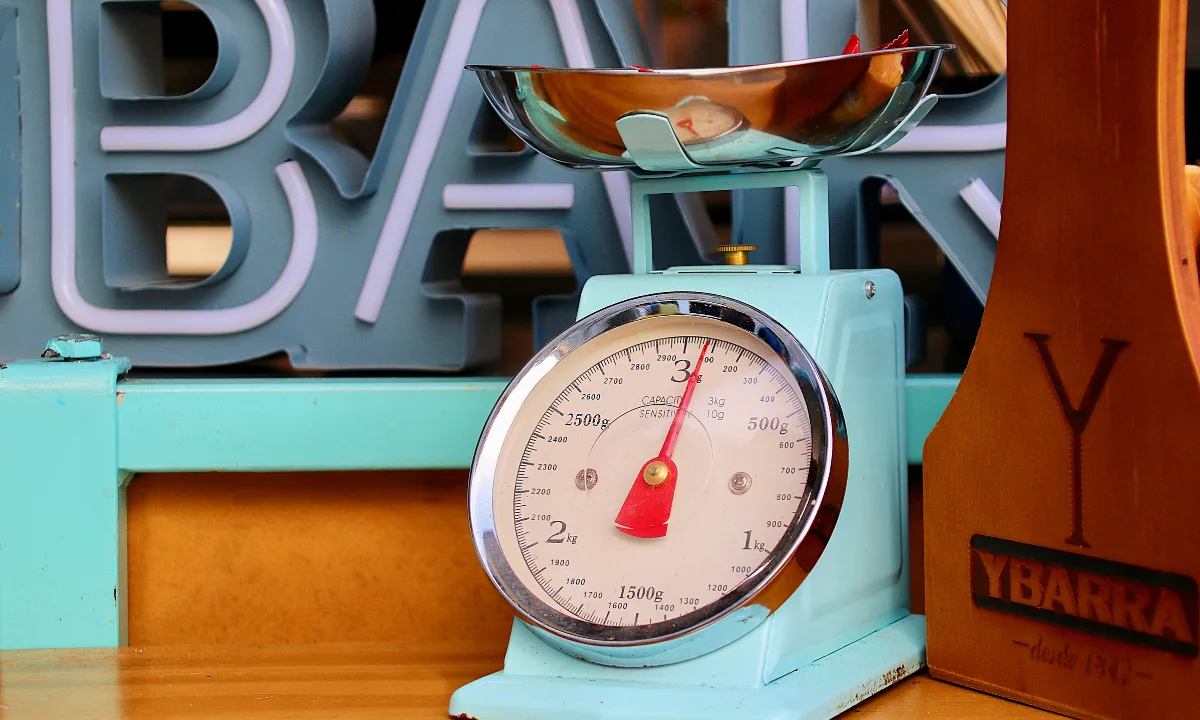
A scale can look perfectly fine and still provide incorrect measurements. Many businesses continue using weighing equipment without checking its accuracy, only discovering problems after financial losses, customer complaints, production errors, or failed inspections occur. Over time, factors such as heavy usage, temperature changes, vibrations, movement, and normal component wear can affect scale performance. Regular calibration helps identify these accuracy issues and ensures that your weighing equipment continues to deliver dependable results.
Scale calibration is an important part of maintaining accurate measurements, especially for businesses that depend on weight for pricing, production, quality control, or compliance. Whether you operate industrial scales, retail weighing equipment, laboratory balances, or specialised systems, proper calibration helps protect your operations and keeps your measurements trustworthy.
What Is Scale Calibration and How Does It Work?
Scale calibration is the process of comparing a scale’s measurement results against a known and accurate reference standard, usually certified calibration weights. The purpose is to check whether the scale is measuring correctly and determine whether adjustments are needed to bring the readings back within acceptable accuracy limits. Many people think calibration simply means resetting a scale, but it involves much more than that. A proper calibration checks how accurately the scale performs across different weight ranges and identifies any difference between the displayed reading and the actual known weight. For businesses, calibration provides confidence that every measurement taken by the scale can be trusted. This is especially important in industries where even small weighing errors can affect product quality, costs, or compliance.
The Scale Calibration Process Explained
A professional scale calibration process usually begins with an inspection of the weighing equipment. The technician checks the physical condition of the scale, including the platform, display, load cells, and other components that may affect accuracy. The next step involves checking the scale’s zero point and testing its performance with certified calibration weights. The readings are compared with the known values of these weights to identify any measurement differences.
If errors are found, adjustments can be made depending on the type of scale and its calibration system. After testing is completed, calibration results are recorded to provide a clear history of the equipment’s accuracy.
A typical calibration process includes:
| Step | Purpose |
| Equipment inspection | Checks physical condition and possible faults |
| Zero testing | Confirms the scale starts from the correct point |
| Weight testing | Compares readings against certified standards |
| Adjustment | Corrects measurement differences if required |
| Documentation | Creates a record of calibration results |
Maintaining calibration records is especially valuable for businesses because it helps track equipment performance and supports quality control processes.
Why Is Scale Calibration Important for Businesses?
Accurate weighing plays an important role in daily business operations. A small measurement error may seem insignificant at first, but repeated mistakes can create major problems over time. Calibration helps businesses maintain reliable measurements and avoid issues caused by inaccurate weighing equipment.
Ensures Accurate Weight Measurements
The main reason to calibrate a scale is to maintain measurement accuracy. A scale that produces incorrect readings can affect decisions throughout your business, from purchasing raw materials to selling finished products. For example, a manufacturing company depends on accurate weight measurements to maintain correct material ratios during production. A food supplier needs reliable weighing equipment to ensure customers receive the correct product quantity. A laboratory requires precise measurements because small errors can affect testing results. Regular calibration helps confirm that the scale is performing according to its required accuracy level.
Reduces Financial Loss Caused by Incorrect Weighing
Incorrect weighing can directly affect profitability. If a scale shows a lower weight than the actual amount supplied, a business may lose money by giving away more product than intended. If it shows a higher weight, customers may be charged incorrectly, which can damage trust. Industries that sell products by weight are especially affected by scale accuracy. Examples include:
- Food and beverage businesses
- Agriculture suppliers
- Manufacturing companies
- Warehouses and logistics providers
Keeping scales calibrated helps reduce unnecessary losses and improves control over business costs.
Supports Product Quality and Consistency
Many industries rely on exact measurements to maintain consistent product quality. A small weighing error can affect production results, ingredient ratios, or final product specifications. In industries such as food manufacturing and pharmaceuticals, accurate weighing is closely connected with quality standards. A calibrated scale helps ensure that each batch is produced according to the required measurements. For businesses, this means fewer production mistakes, better quality control, and more consistent results.
Helps Meet Compliance and Industry Requirements
Some businesses are required to maintain accurate weighing systems because their products are sold, tested, or produced based on weight measurements. Trade-related weighing equipment often requires verification and proper documentation to confirm that it meets required standards. Calibration records can also support inspections and quality audits. Working with a professional weighing service provider helps businesses maintain proper calibration procedures and keep their equipment ready for operational requirements.
What Problems Can Occur If a Scale Is Not Calibrated?
Using a scale without regular calibration can create problems that are not always visible immediately. A scale may continue displaying numbers, but those readings may no longer represent accurate measurements.
Incorrect Weight Readings
A scale can become inaccurate due to regular use, environmental conditions, damaged components, or movement. Over time, small changes can affect the readings and reduce confidence in the results. Common causes of inaccurate readings include:
- Wear on internal components
- Changes in temperature
- Vibrations near the scale
- Physical damage
- Incorrect installation
Calibration helps identify these problems before they affect business operations.
Poor Operational Decisions
Businesses use weighing data to make important decisions. Incorrect measurements can lead to wrong inventory calculations, inaccurate production quantities, or shipment errors. For example, a warehouse that depends on weight information for logistics planning may experience problems if its scales provide incorrect readings. Accurate weighing data helps businesses manage resources more effectively.
Failed Quality Checks or Audits
Many businesses maintain records to prove that their equipment is working correctly. Without regular calibration, it may become difficult to demonstrate measurement accuracy during inspections or customer audits. Proper calibration documentation shows that weighing equipment receives regular attention and that measurement accuracy is taken seriously.
How Often Should You Calibrate a Scale?
There is no single calibration schedule that works for every scale. The required frequency depends on the type of equipment, how often it is used, the working environment, and the accuracy requirements of the application.
Type of Scale and Level of Usage
A scale used several times every day in an industrial environment will usually require more frequent checks than equipment used occasionally.
For example:
- Heavy-duty industrial scales may need frequent calibration because of constant loading.
- Laboratory balances require strict accuracy because they are used for precise measurements.
- Retail scales may require scheduled checks because they directly affect customer transactions.
Businesses should consider how critical accurate weighing is for their operations when planning calibration intervals.
Working Environment
The environment around a scale can influence its performance. Factors such as moisture, dust, vibration, and temperature changes may affect accuracy over time. A scale installed in a clean indoor environment may experience fewer issues compared with equipment used in harsh industrial conditions.
Manufacturer Recommendations and Industry Standards
Manufacturers often provide guidance about calibration requirements based on the design and intended use of the scale. Businesses should also consider industry requirements and previous calibration results when deciding how often their equipment should be checked.
Signs Your Scale May Need Calibration
Sometimes a scale gives warning signs that its accuracy has changed. Recognising these signs early can prevent bigger problems.
Common indicators include:
- The scale does not return to zero correctly.
- The same item gives different readings during repeated tests.
- Weight measurements seem unusual compared with previous results.
- The scale has been moved to another location.
- The equipment has recently been repaired.
- The scale has experienced impact or physical damage.
If any of these issues appear, professional inspection and calibration can help determine whether the equipment needs adjustment or repair.
Scale Calibration vs Verification: Understanding the Difference
Calibration and verification are related but serve different purposes.
| Calibration | Verification |
| Checks measurement accuracy against a known standard | Confirms whether equipment meets required rules or standards |
| Focuses on improving measurement reliability | Focuses on approval or compliance requirements |
| Used for accuracy control and performance checks | Often required for commercial trade applications |
Calibration confirms how accurately a scale measures, while verification determines whether the scale is acceptable for its intended use. Understanding this difference helps businesses choose the correct service for their weighing equipment.
Which Types of Scales Require Calibration?
Different industries use different types of weighing equipment, but all scales can benefit from regular accuracy checks.
Industrial Weighing Scales
Industrial scales handle demanding applications such as manufacturing, warehouses, and logistics.
Common examples include:
- Platform scales
- Floor scales
- Pallet scales
- Crane scales
Because these systems often handle heavy loads, regular calibration helps maintain reliable performance.
Laboratory Balances
Laboratory balances require high accuracy because they are used for research, testing, and controlled measurements. Even small errors can affect results, making regular calibration an important part of laboratory quality procedures.
Retail and Commercial Scales
Retail businesses use scales for customer transactions, portion control, and pricing. Accurate readings help ensure customers receive fair measurements and businesses maintain correct pricing practices.
Medical Scales
Medical weighing equipment, including patient and baby scales, requires accuracy because weight measurements can influence healthcare decisions. Regular checks help maintain confidence in these measurements.
Factors That Affect Scale Accuracy Over Time
A scale’s accuracy can change because of several external and internal factors.
Regular Wear and Heavy Usage
Frequent use places continuous pressure on a scale’s mechanical and electronic components. Over time, repeated loading, heavy weights, and daily operation can affect parts such as load cells, sensors, and moving components. This natural wear may cause small measurement differences that become more noticeable if the scale is not checked regularly. Businesses that use weighing equipment throughout the day, especially in industrial or commercial settings, should monitor performance and schedule calibration to confirm accuracy.
Environmental Conditions
The environment where a scale operates can have a direct effect on its accuracy. Changes in temperature, humidity, dust, moisture, and vibrations may influence how the equipment performs. For example, a scale used in a warehouse with heavy machinery vibrations or an outdoor area exposed to changing weather conditions may require more frequent checks compared with equipment used in a controlled indoor environment. Protecting the scale from harsh conditions and maintaining proper calibration helps ensure consistent measurements.
Installation and Handling Issues
Correct installation plays an important role in maintaining accurate scale readings. A scale placed on an uneven surface, unstable floor, or incorrect location may provide inconsistent results. Moving a scale to another area without checking its accuracy can also affect performance because changes in position, surface level, or surrounding conditions may influence measurements. Proper installation, careful handling, and recalibration after relocation help keep weighing equipment reliable.
Component Problems
Internal components are essential for accurate weighing performance, and problems with these parts can affect measurement results. Components such as load cells, sensors, wiring, and electronic systems can develop faults due to age, damage, or excessive use. A damaged load cell, for example, may cause incorrect weight readings even if the display appears to function normally. Regular inspections and professional calibration help identify component issues before they create larger operational problems.
Professional Scale Calibration Services: When Should You Get Expert Help?
Businesses that depend on accurate weighing should consider professional calibration services instead of relying only on basic checks. Professional calibration provides access to proper testing equipment, technical knowledge, and accurate documentation. It helps identify measurement problems and ensures the scale continues operating correctly.
Scales4U provides weighing solutions that help businesses maintain accurate and reliable equipment through professional calibration, verification, maintenance, and support services. Working with an experienced weighing provider can help reduce downtime and protect the accuracy of important measurements.
How to Maintain Scale Accuracy Between Calibration Checks
Regular calibration is important, but daily care also affects scale performance. Businesses can maintain better accuracy by:
- Keeping the weighing surface clean
- Avoiding loads above the scale capacity
- Installing equipment on stable surfaces
- Protecting scales from moisture and damage
- Training staff on correct usage
- Scheduling regular inspections
Good maintenance practices help extend equipment life and reduce unexpected accuracy problems.
Frequently Asked Questions About Scale Calibration
What does calibrating a scale mean?
Calibrating a scale means comparing its measurements against a known standard to check accuracy and make adjustments if required.
Why should you calibrate your scale?
You should calibrate your scale to maintain accurate measurements, reduce errors, protect business operations, and ensure reliable weighing results.
How often should a weighing scale be calibrated?
Calibration frequency depends on the scale type, usage level, environment, and industry requirements. Businesses should follow manufacturer guidance and monitor equipment performance.
Can I calibrate my scale myself?
Some basic checks can be performed by users, but professional calibration is recommended when accuracy, documentation, or compliance is important.
How do I know if my scale is inaccurate?
Incorrect readings, unstable measurements, zero errors, or different results from the same item can indicate that a scale may need calibration.
How long does scale calibration take?
The time required depends on the scale type, condition, and testing requirements. Simple checks may take less time, while larger industrial systems require more detailed testing.
Final Thoughts: Accurate Weighing Starts With Proper Calibration
A scale is only valuable when its measurements can be trusted. Over time, even high-quality weighing equipment can lose accuracy because of usage, environmental conditions, and normal wear. Regular calibration helps businesses maintain accurate measurements, protect product quality, reduce costly errors, and support compliance requirements. For companies that depend on weighing equipment every day, professional calibration is an important step in keeping operations reliable. With proper calibration and maintenance support from an experienced weighing provider like Scales4U, businesses can continue using their equipment with confidence.